Every Body
Manual Lymphatic Drainage (MLD)

Manual Lymphatic Drainage (MLD)

Lymphatic Massage for a Lighter Feeling

Manual Lymphatic Drainage (MLD), also known as lymphatic massage, is a particularly gentle, non-invasive massage technique designed to stimulate the lymphatic system. This system consists of a network of vessels and lymph nodes through which lymph flows. Lymph contains proteins, water, waste products, fats, cellular debris and components of the immune system.

Lymph nodes filter the lymph before it returns to the bloodstream. A healthy lymphatic system plays an important role in restoring wellbeing when the body has been affected by lifestyle factors, a genetic or medical condition, or surgery.

Compared with Anti-Cellulite Massage and other forms of massage, manual lymphatic drainage uses a much lighter touch. The technique combines gentle pressure with steady, repetitive pumping movements, as well as circular and spiral motions.


Light Pressure


Duration: 60 Minutes

Cost: 65


Duration: 90 Minutes

Cost: 95


Results:

Lymphatic massage supports lymph flow and helps reduce temporary puffiness and the feeling of heaviness associated with fluid retention. Your body may feel lighter, with greater comfort in the areas that have been bothering you.

The gentle rhythm of the massage also encourages deep relaxation, helping you unwind from the day’s tension and take some time for yourself. Your response and how long the results last will depend on your body’s needs and the cause of the swelling.

Treatment Overview

Ideal For

Lymphatic massage is recommended for those seeking general wellbeing and support for their body’s overall condition and function. It can be particularly helpful for people who experience fluid retention during their menstrual cycle or after pregnancy. It may also help ease headaches and migraines, while some digestive discomfort may respond to lymphatic drainage.

Lymphatic massage may also offer benefits to people experiencing swelling and inflammation associated with conditions such as rheumatoid arthritis, Lyme disease and lupus, always in consultation with their treating doctor.

Lymphatic drainage may also be beneficial if you have noticed a slower metabolism, increased hormonal imbalances or allergies, sluggishness, physical fatigue or brain fog, as these symptoms can sometimes be associated with impaired lymphatic drainage.

What’s Included

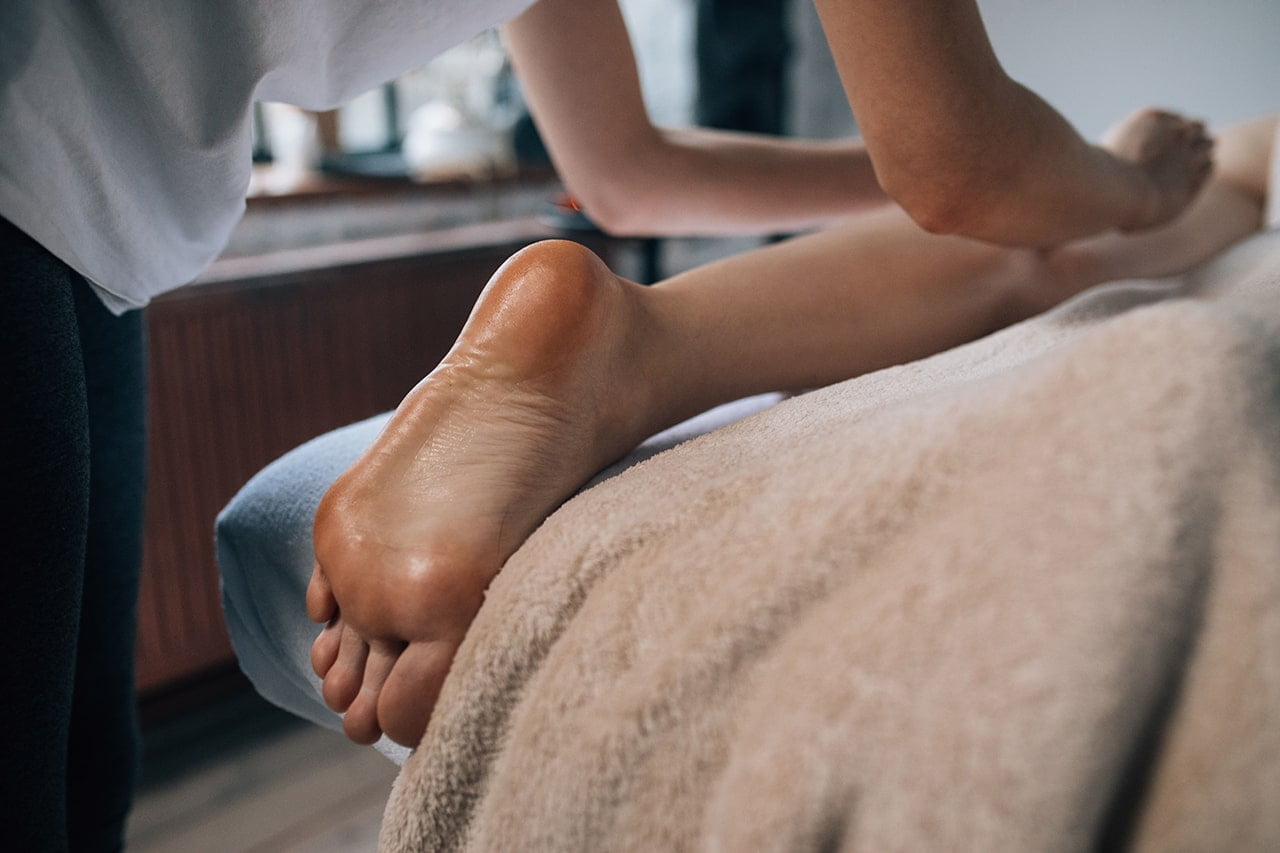
Your session includes 60 or 90 minutes of manual lymphatic massage, using very gentle pressure, circular movements and rhythmic techniques that follow the pathways of lymphatic drainage. The sequence also includes preparing the areas towards which the lymph is directed.

Your chosen duration determines how much time we can spend on the areas that need more attention. Throughout the session, your comfort comes first.

Oils are generally not used during lymphatic massage. Occasionally, one or two drops may be needed in areas with dense or long body hair, areas where the skin has reduced mobility, such as scars or persistent swelling, or on particularly dry or rough skin.

Before Treatment

No special preparation is needed. Maintain your usual hydration, choose comfortable clothing and avoid having a heavy meal immediately before your appointment.

After Treatment

Drinking plenty of water after lymphatic drainage can help prevent feelings of sluggishness or discomfort as cellular waste moves through the body. Wear loose-fitting clothing to encourage lymph flow.

Try to avoid alcohol, caffeine and sugar for at least three hours after your massage, allowing your body time to clear waste products.

A gentle 15-minute jog, a long walk, swimming, Pilates or yoga a few hours after your massage may complement the benefits of your session.

Adopting healthier lifestyle habits can help maintain your results for longer. The current aftercare guidance recommends avoiding dairy products, on the basis that they may increase mucus production and stagnation, and focusing instead on more raw foods, such as fruit and vegetables. It also recommends a protein intake of around 0.8 grams per kilogram of body weight, based on the claim that excess protein can increase uric acid, affect kidney function and contribute to skin concerns.

Make regular movement part of your routine and aim to reach or maintain a healthy weight.

You don’t need to remember everything: you’ll receive a detailed email with aftercare instructions, practical tips and everything else you need for the days following your treatment.

Downtime

There is no downtime, although you may notice that you need to urinate more frequently after your massage. You may also feel sluggish or slightly unwell, particularly if you are dehydrated or taking several medications.

Lymphatic drainage can leave you feeling tired. You may want to lie down or keep the rest of your day relaxed, giving your body time to ease back into your usual routine.

You may also feel thirstier than usual, so continue to keep yourself comfortably hydrated.

Recommended Sessions

Frequency depends on why you are choosing lymphatic massage and how your body responds.

For relaxation and general wellbeing, you may choose a session once a month or every two months. If occasional fluid retention is your main concern, we can discuss frequency after your first session, according to your needs.

For diagnosed lymphoedema or postoperative swelling, the suitability and frequency of MLD are determined as part of your care plan, in consultation with your doctor or the specialist overseeing your care.

Questions about body treatments?

I’ve put together answers to common questions about getting ready for your appointment, what to expect during your session and how to look after yourself afterwards.

Read the FAQs

Add-Ons

Pair your lymphatic massage with one of the organic body scrubs for softer skin, or add a little extra care for your hands or feet. Together, we’ll choose the combination that suits your needs.

Other Body Treatments That Might Interest You

Questions?

Please read the FAQs or contact me.